
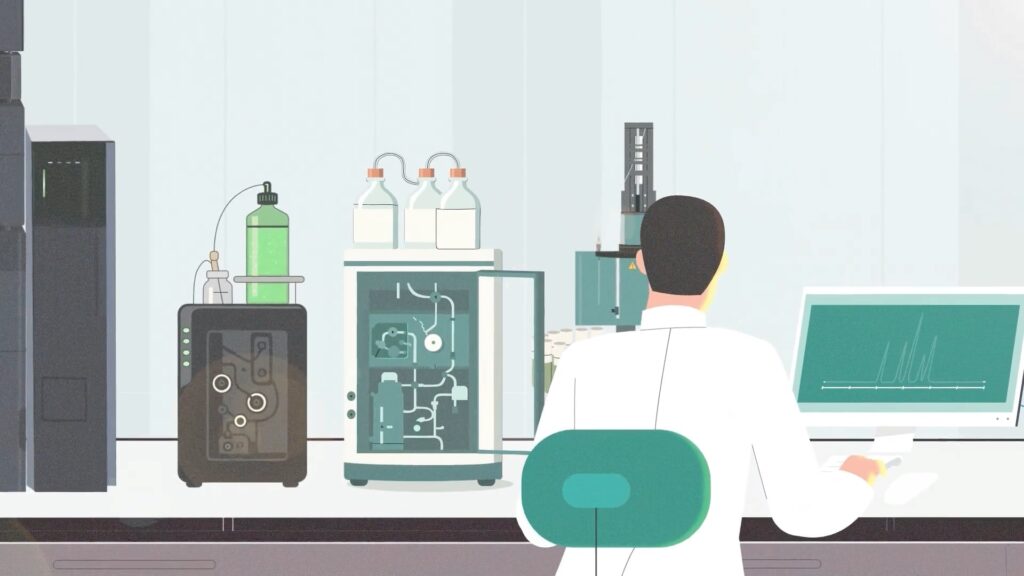
Liquid chromatography (LC) is a cornerstone of modern quality
control and status monitoring thanks to its ability to separate
substances based on their molecular properties across a wide
range of samples. However, the diversity of chromatographic
modes and how specific circumstances affect the outcome in
each case also make LC a complex method that requires skilled
personnel to ensure reliable results.
In this section Diduco has gathered examples from liquid chromatography experiments that are not industry specific but rather highlights concepts or effects that together help build the knowledge of how changes in conditions affect analytical outcomes and thereby the validity of the results. As with other information on this website, the focus is on LC modes which can accomplish separation of polar and charged structures, i.e., ion chromatography (IC), ion exclusion chromatography (IEC / ICE), hydrophilic interaction chromatography (HILIC), or reversed phase (RP). The latter mode is what dominates in instruments for high performance liquid chromatography (HPLC) and ultra-high performance liquid chromatography (UHPLC) separations.


I’ll be happy to answer any questions you might have regarding our products and services.
Tobias Jonsson
CEO, PhD in chemistry